Commercial Waste Barnet: Recycling and Sustainability
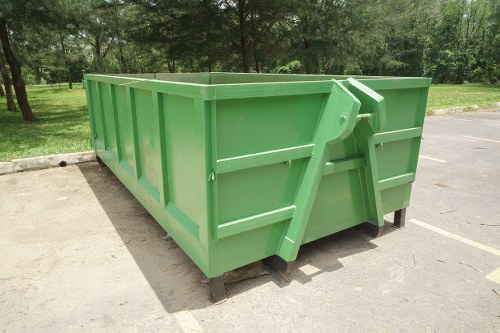 Commercial Waste Barnet is committed to creating an eco-friendly waste disposal area and a thriving sustainable rubbish area that supports businesses across the borough. Our approach balances practical commercial waste collection with long-term environmental goals. We work with local authorities and traders to improve separation at source, reduce landfill dependency, and increase reuse of materials. Every small change in waste handling can yield measurable reductions in carbon and cost.
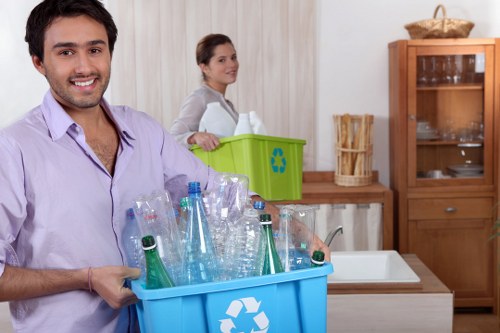
Working within the borough's framework, we support the typical separation streams most London boroughs promote: dry recycling (paper, card, glass, cans, certain plastics), food waste, garden waste and residual. Our systems encourage businesses to adopt the borough-style segregation standards that improve recycling yields and make transfer easier at consolidation points. Good separation upstream means higher recovery downstream.
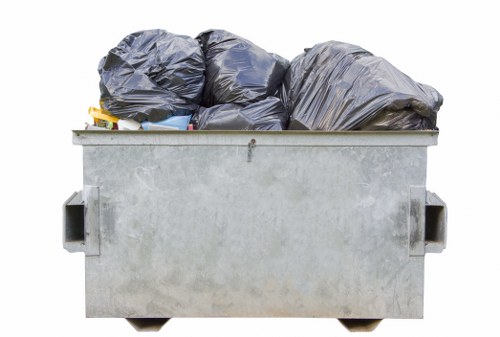 To translate policy into practice we operate an integrated network for commercial collections and clearance, focused on achieving our recycling percentage target: 60% recycling rate by 2030 across the commercial waste we manage. That target drives operational decisions, investment in infrastructure and the partnerships we form with reuse organisations, social enterprises and local processing plants.
Local Transfer Stations and Processing Hubs
We direct segregated streams to designated transfer stations and material recovery facilities in and around Barnet. Examples of local consolidation points include stations serving Edgware, Hendon and nearby North London processing hubs. These transfer stations reduce vehicle miles, speed up sorting, and improve capture rates for recyclables destined for reprocessing. Efficient routing and consolidation are central to a low-emission, high-recovery model.
At transfer points, materials are bulked for onward transport to specialist recyclers: paper and card to fibre recyclers, glass to remelt plants, metals to scrap processors, and organics to anaerobic digestion or composting sites. We prioritise outlets that demonstrate strong circular economy credentials and traceability so the borough's commercial waste contributes to genuine resource recovery.
Our logistics planning uses route optimisation software and scheduled consolidation to reduce unnecessary trips. This not only lowers operating costs but helps us maintain compliance with low-emission zones and minimise overall fleet fuel consumption. Less travel = lower carbon footprint.
Partnerships, Reuse and Charity Collaboration
 We actively partner with local charities, reuse organisations and social enterprises to divert useful goods from disposal. Partnerships include furniture and textile reuse groups, community reuse centres and national charity collectors that operate local outlets. By channeling suitable items to charity networks we extend product life, support local causes and reduce the burden on recycling streams that are intended for materials rather than whole items.
Typical partnership activities include:
- Reuse drives for office furniture and fixtures
- Donation of surplus textiles and clothing to registered charity collectors
- Working with social enterprises to refurbish and redistribute IT equipment
These collaborations turn commercial surplus into social value and reduce the number of bulky items entering the waste chain. Reuse is a critical complement to recycling and a key element of our sustainable rubbish area strategy.
Our commercial contracts include clear guidance on segregation at source so that businesses feed the right streams into the system. We supply practical collection containers and signage aligned with borough expectations and offer targeted support for high-volume sectors such as hospitality, retail and construction. Clear, consistent labelling helps staff separate food waste from dry recyclables and residual waste, improving capture and quality.
We measure progress monthly and report aggregated figures to client stakeholders. Continuous improvement initiatives focus on contamination reduction, increased capture of organics and enhanced reuse routing. The recycling percentage target is not symbolic — it underpins procurement choices, investment in low-carbon vehicles and the selection of processing partners.
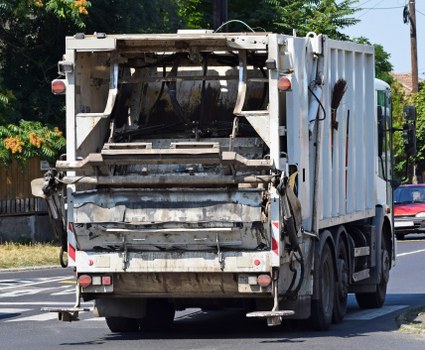 Our fleet transition is visible on the streets: a growing number of low-carbon vans — electric and hybrid light commercial vehicles — are deployed for local collections. These green vehicles are supported by fast-charging infrastructure at depots and by telematics that optimise routes, monitor idling and promote smoother driving. The result is a materially lower operational carbon intensity for each tonne collected.
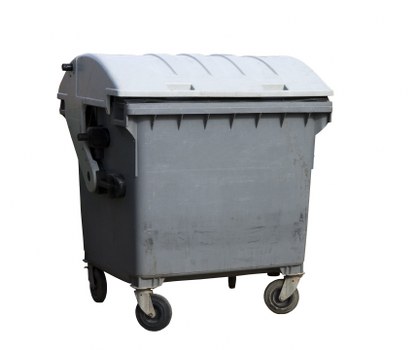 We also invest in staff training and client engagement programmes that encourage waste prevention alongside improved recycling. Advice for businesses includes simple operational changes, supplier engagement to reduce packaging and front-of-house measures that reduce food and single-use waste. These behaviour changes complement the physical infrastructure of our eco-friendly waste disposal area.
Key outcomes we aim to deliver include:
- Higher recycling rates through improved segregation and transfer station efficiencies
- Increased reuse via charity partnerships and social enterprise collaboration
- Lower fleet emissions achieved with low-carbon vans and smarter routing
- Reduced landfill and incineration by diverting organics and recoverable materials
By combining practical on-street collection measures with strong partnerships and investment in greener vehicles, Commercial Waste Barnet provides an effective, scalable model for a sustainable rubbish area. Our ambition is to make the borough's commercial waste system leaner, cleaner and more circular, so businesses can meet regulatory expectations while contributing positively to local environmental quality.
